Locations


One of the most important factors in any business is time. As the old saying goes, “time is money,” and that holds true for the financial end of Magic as well. Players refer to this as EV, or expected value, a term that has carried into the financial world as well when evaluating whether an event is worth attending. So as a trader, what is the best way to maximize those few precious days you have to trade, buy, and sell? This week, I am going to talk about just that and lead into next week's article in which I will be covering buy lists on commons and uncommons since I have been promising that for a while now. Before I go in depth with exact numbers, I want to take this week to instead elaborate on something I briefly covered last week, ogreing boxes.
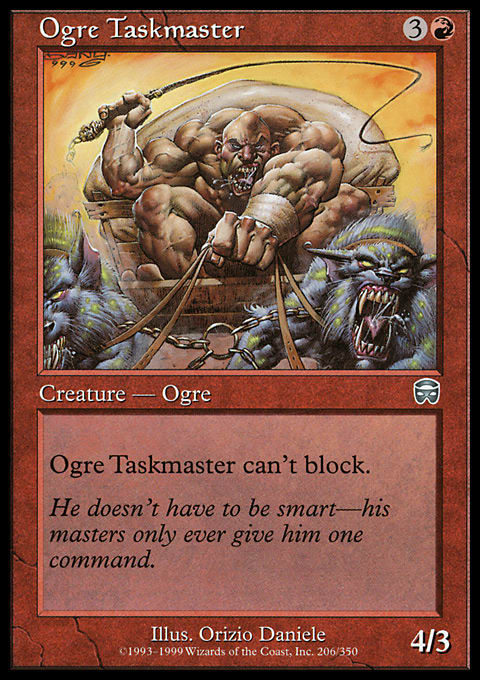
For those of you still interested in this approach and itching to know how to go about it, let’s continue. The first step in this process is to make sure you have some sorting room. The initial process behind being this organized can be daunting at first, but believe me, once you have done it once, it will make things so much quicker in the future, maximizing both your time and profit. There are probably a lot of cards that you already know the price on, so start your piles with those so you have some sort of a base to work with. Most cards don’t change in price very often, so getting what you do know from past experience out of the way can give you some organized piles to start your sorting with.
Depending on how hard you pick and how particular you are will depend on how many piles you have and at what price intervals. To start with, I would suggest the same prices I use, which are: $.10, $.15, $.25, $.35, $.50, $.65, $.75, $1, $1.50, $2 . . . and continuing on from there. I have a lot of time to sort and research all of these prices, so I can afford to have more piles, but if you are looking to streamline the process and don’t feel like dealing with dimes, using intervals of a quarter would work as well.
Once you decide on your prices, create some durable tags that will conveniently slide up and down five-slot boxes while at the same being visible enough to easily recognize the divide. I use fat pack dividers since they are lightweight and durable, but anything that allows you to see the prices should work fine.
Once you have the preliminary sorting done, it is time to start doing some research. Most of the time, the rares are fairly easy to price, so you will probably be left with a bunch of commons and uncommons at this point. Pull up a few different buy lists, and form a good idea what a card is going for, and base your price on that. Sometimes, you won’t have the right price immediately, and if that happens, don’t worry—this box is an ever-changing entity, so if a card is left in there one weekend because the vendors just aren’t willing to budge, save it for the next event or lower the price if need be. I will talk more about commons and uncommons next week in regards to buy lists so you have a good starting point for how to price them. For now, though, just put everything into piles and then box them accordingly.
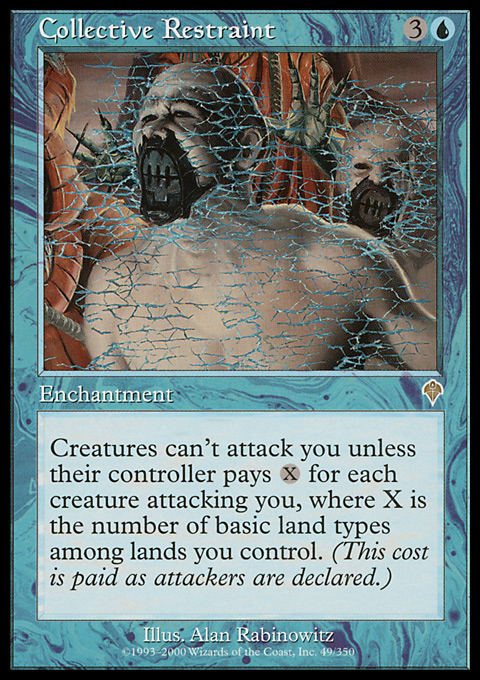
From this point on, just try as best you can to keep to the schedule, and don’t be hung up on negotiating yet. Give everyone a run through before you start haggling—though someone may be willing to pay just under what you have labeled, that doesn’t mean someone else along the way won’t pay your asking price. You have a second round of sales to negotiate if you so choose, so try to keep the first time around as quick and easy as possible.
If you choose to shop the boxes around a second time because you didn’t sell enough or you just want to unload a bunch of cards, be more willing to work with people. There are certain cards you shouldn’t budge on, but if someone offers $.35 on a card that you have for $.50, and no one else has taken interest, unload them. Don’t be too hung up on your prices—although you put a lot of time and effort into these boxes, dealers knows the top dollar they can pay, and sometimes, it’s just better to take it than drag to many cards back home with you.
That about wraps up what I want to cover this week on the topic of sorting boxes for sale at shows. I hope to have a buy list out for next week on the commons and uncommons worth sorting, but given my busy weekend, it may have to wait one more week. I will be working for Troll and Toad this weekend at Anime Expo in Los Angeles, so if you happen to be there, stop in to the dealer hall and say “hello”—maybe even sell some cards.
I expect four days of Gen Con like buying from dawn until dusk, but as long as I have some free time at night, I will work on getting lists around for next week. There is a lot more to ogreing boxes than most people think, but if your collection is sizeable enough, it is certainly worth the initial time investment. Once you have the dividers and have looked up all the spare cards you have sitting around, the next time around goes much faster because you don’t have the setup time, and you will already know the prices on a good number of cards. The longer you do this, the quicker it becomes, and eventually, you get to a point—where the actual Ogre is now—that allows you to have pre-established agreements with dealers. Join me next week from the heart of Los Angeles after my four-day tear at Anime Expo for some more hard-hitting financial information. Until next week, get your bulk ready, and get to sorting!
Ryan Bushard